
Ensuring safe operations in high-risk environments is non-negotiable. Within the amusement industry, where rides such as the free fall tower and giant pendulum ride push mechanical and psychological thresholds, the need for comprehensive employee training cannot be overstated. Safety is not merely a protocol—it is an embedded culture built through meticulous instruction, recurring assessments, and the constant evolution of operational standards.
Operational Complexity Demands Specialized Training
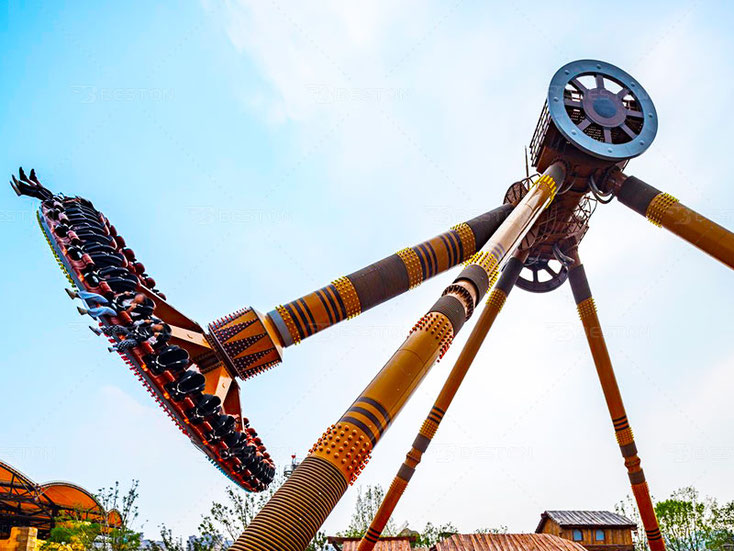
Modern amusement rides are engineering marvels. A free fall tower, for instance, involves high-velocity vertical movements governed by complex pneumatic and electromagnetic systems. Similarly, a giant pendulum ride incorporates rotational inertia, structural stress calculations, and precise synchronization of dynamic forces.
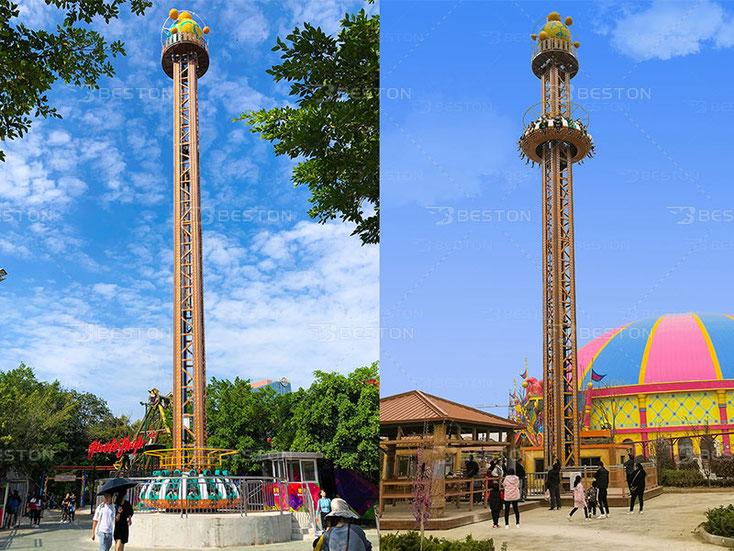
To operate and maintain these attractions safely, employees must understand not only the mechanical components but also the underlying principles of physics and system diagnostics. Entry-level briefings or cursory onboarding are insufficient. Instead, training must be immersive, technically detailed, and tailored to the intricacies of each ride's operational model.
Training as the First Line of Defense Against Catastrophe
Mechanical integrity can only account for so much. Human error remains a predominant risk vector. Employees unfamiliar with proper locking mechanisms, emergency shutdown protocols, or load balancing can inadvertently introduce hazards.
Comprehensive training programs serve as the first line of defense. These programs must include:
-
Hands-on instruction under supervision.
-
Simulated emergency drills tailored to ride-specific failure modes.
-
Regular knowledge refreshers to reinforce protocols and integrate regulatory updates.
-
Assessment mechanisms to identify skill gaps and provide corrective education.
An employee who knows precisely how to override the automated descent on a malfunctioning free fall tower can prevent injury or worse. A staff member trained to detect abnormal oscillation in a giant pendulum ride can halt operations before a minor fault escalates.
Regulatory Compliance and Liability Mitigation
Workplace safety training is not just a moral imperative; it is a regulatory requirement. Jurisdictions mandate ride operators to undergo periodic certification, and failure to comply can result in severe legal repercussions. In the case of an incident, the operator's training record becomes a focal point of liability investigation.
A robust training framework, documented meticulously and reviewed frequently, offers not only compliance assurance but also liability insulation. When training is systematic and auditable, organizations demonstrate due diligence—an essential shield against claims of negligence.
Cross-Functional Training Increases Operational Resilience
Employees who are cross-trained across multiple ride types, including the free fall tower and the giant pendulum ride, contribute to a more adaptable workforce. During peak hours, unanticipated staff shortages, or technical escalations, such versatility ensures continuity of operations.
Cross-functional training also fosters a deeper understanding of systemic interdependencies. For instance, awareness of how environmental conditions such as wind shear affect the pendulum’s arc or how passenger distribution influences deceleration in a free fall ride enables staff to make informed, safe decisions quickly.
Psychological Preparedness Enhances Response Time
Operating high-thrill rides demands more than technical acumen—it requires psychological resilience. Staff must be trained to manage high-stress scenarios without succumbing to panic. This includes:
-
Recognizing signs of mechanical distress.
-
De-escalating agitated riders safely.
-
Making split-second decisions in ambiguous circumstances.
Scenario-based training modules help in building this resilience. By simulating power failures, restraint malfunctions, or sensor misreads, employees gain the confidence to act decisively, even under duress.
Maintenance Crew Training Is Equally Critical
While frontline ride operators interact directly with guests, the maintenance team underpins the entire safety infrastructure. Training for these personnel must include:
-
Advanced diagnostic procedures.
-
Proficiency with OEM software and firmware.
-
Competency in predictive maintenance models.
-
Awareness of wear patterns specific to vertical drop systems or pendulum bearings.
An inadequately trained technician may overlook subtle indicators of fatigue in a tower’s braking fins or a pendulum’s tension arm, potentially leading to systemic failure. On the contrary, a well-trained technician can preemptively identify and rectify anomalies long before they manifest as operational disruptions.
Culture of Continuous Learning
Safety training is not a one-off endeavor. It must be ingrained as an ongoing initiative. Technological upgrades, design modifications, and evolving safety standards require training curricula to be fluid and adaptive.
Instituting a culture of continuous learning can be achieved through:
-
Monthly knowledge-sharing sessions led by experienced operators.
-
Digital learning platforms offering micro-courses on specific subsystems.
-
Feedback loops where employees contribute to safety protocol refinement.
This culture transforms employees from passive executors of protocol to proactive custodians of safety.
Data-Driven Training Improvements
With the integration of telemetry and IoT devices in ride systems, a new frontier in training optimization has emerged. Ride data analytics can pinpoint patterns in operational strain, maintenance schedules, and human-machine interaction anomalies.
By analyzing this data, training programs can be calibrated to focus on high-risk intervals. For example, if telemetry indicates that most emergency stops on a free fall tower occur during rapid retraction, operators can receive intensified training on that phase. Similarly, if a giant pendulum ride shows asymmetrical load distribution in peak hours, staff can be trained on advanced seat allocation protocols.
Conclusion
The safety and reliability of amusement rides are inextricably tied to the competency of the humans who operate and maintain them. With attractions such as the free fall tower and the giant pendulum ride presenting significant mechanical and psychological demands, employee training becomes the linchpin of operational integrity.
Organizations must invest in exhaustive, ongoing, and data-informed training initiatives. Only through such disciplined efforts can they ensure not only compliance and liability reduction but also the enduring trust of their patrons and the wellbeing of their staff.